OSAPS 2024 Cebu Home

Category

Research & Innovation

11 articles

Slow Burn: How Physics Talks Given Today Become the Foundational Citations of Tomorrow

Slow Burn: How Physics Talks Given Today Become the Foundational Citations of Tomorrow

Conference presentations rarely achieve their full scientific impact the moment they are delivered. A growing body of citation evidence suggests that regional symposia like OSAPS 2024 serve as incubators for ideas whose true influence unfolds across years, sometimes decades — and American physicists who dismiss these venues as peripheral may be systematically miscalculating where the field is actually headed.

Where You Meet Shapes What You Ask: The Hidden Geography of Scientific Discovery

Where You Meet Shapes What You Ask: The Hidden Geography of Scientific Discovery

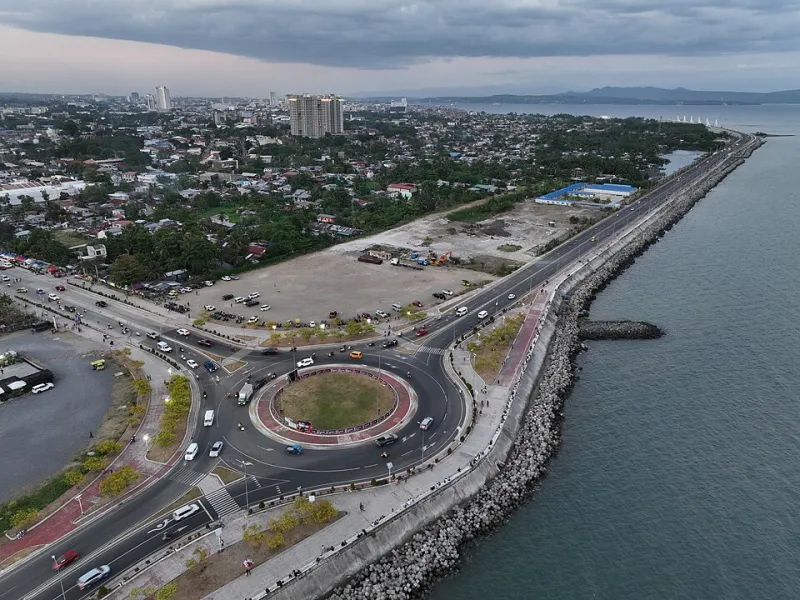
The physical setting of a scientific conference does far more than provide a backdrop—it actively curates which research questions rise to the surface and which remain unasked. Hosting OSAPS 2024 in Cebu, Philippines, places a distinct regional lens on the physics agenda, surfacing experimental priorities that US-centric venues routinely bypass. For American physicists accustomed to the familiar circuits of Boston, San Francisco, and Chicago, that shift may be the most consequential variable of

From Handshake to Co-Authorship: Turning Conference Encounters Into Enduring Research Alliances

From Handshake to Co-Authorship: Turning Conference Encounters Into Enduring Research Alliances

A business card exchanged at a poster session rarely becomes a joint publication on its own. For US physicists attending international events like OSAPS 2024 in Cebu, the difference between a forgettable encounter and a career-defining collaboration often comes down to preparation, cultural fluency, and disciplined follow-through. This guide breaks down exactly how to close that gap.

Bridging the Pacific Divide: Why U.S. Physics Labs Are Losing Ground on International Collaboration

Bridging the Pacific Divide: Why U.S. Physics Labs Are Losing Ground on International Collaboration

Despite remarkable advances emerging from Asia-Pacific research institutions, a persistent collaboration gap continues to limit American physicists from accessing some of the most consequential scientific partnerships available today. Structural funding barriers, bureaucratic visa processes, and deeply ingrained communication asymmetries all play a role — yet a growing cohort of U.S. researchers who have navigated these obstacles offers a compelling blueprint for what genuine cross-regional part

Why the Next Great Scientific Partnership Will Be Forged in a Tier-2 City

Why the Next Great Scientific Partnership Will Be Forged in a Tier-2 City

The era of mega-conferences monopolizing meaningful scientific exchange is quietly ending. Smaller regional hubs like Cebu, Philippines are emerging as surprisingly fertile ground for the kind of deep, cross-border collaboration that overcrowded convention halls in London or Chicago rarely produce. OSAPS 2024 offers a compelling case study in why geography and scale matter more than prestige when it comes to advancing physics.

The Invisible Literature: How Non-English Physics Research Is Reshaping What American Scientists Think They Know

The Invisible Literature: How Non-English Physics Research Is Reshaping What American Scientists Think They Know

A substantial body of physics research published in languages other than English remains effectively invisible to most American scientists, not because it lacks rigor but because the field's infrastructure was not built to surface it. Researchers affiliated with OSAPS 2024 are making the case that this gap represents both a significant blind spot and an unexplored competitive advantage for those willing to bridge it.

From Cebu to the World: How Asia-Pacific Physics Is Rewriting the Global Research Map

From Cebu to the World: How Asia-Pacific Physics Is Rewriting the Global Research Map

The 2024 Ohio Section of the American Physical Society meeting held in Cebu, Philippines offered a striking signal: the Asia-Pacific region is no longer a peripheral player in global physics research. From quantum computing breakthroughs to next-generation materials science, OSAPS 2024 demonstrated that the center of scientific gravity is shifting — and that US institutions would do well to take notice.